Your cart is empty.

Shop now and pay later
Free Shipping
All over the US
Easy Returns
30 Day Policy
Need Help?
+1 (217) 996-1730
MON - FRI: 9:00AM - 5:30PM (EST)
SAT: 9:00AM - 3:00PM (EST)
-
Account
Account
Table of contents

Should I Worry If My Check Engine Light Is On? (2016 & Newer Vehicles)

If you drive a 2016 or newer vehicle, seeing the check engine light come on can feel alarming. The good news is that modern vehicles are smarter than ever and often provide more specific warnings than older models. Still, a check engine light should never be ignored.
Sometimes the issue is minor. Sometimes it is more serious. The key is understanding what the warning means and taking action before a small repair turns into a costly one.
What Does the Check Engine Light Mean in Modern Vehicles?
Today's vehicles use onboard diagnostics to monitor engine performance, emissions systems, ignition timing, fuel delivery, and more. When the system detects a problem, it stores a fault code and turns on a dashboard warning.
In many 2016 and newer vehicles, you may also see a more specific message such as "Check Fuel Cap" before a general check engine light appears.
Solid vs. Flashing Check Engine Light
Solid Check Engine Light
- Usually means a non-urgent issue
- The vehicle is often safe to drive short distances
- It should still be diagnosed soon
Flashing Check Engine Light
- Usually means a serious engine problem
- Often points to a misfire
- Can damage expensive components like the catalytic converter
If your check engine light is flashing, stop driving and have the vehicle inspected immediately.
Common Causes of a Check Engine Light
1. Fuel Cap or EVAP System Warning

On many newer vehicles, a loose or faulty fuel cap may trigger a specific warning first. If ignored, it can eventually lead to a check engine light because the EVAP system detects a leak in the fuel vapor sealing system.
2. Oxygen Sensor Problems
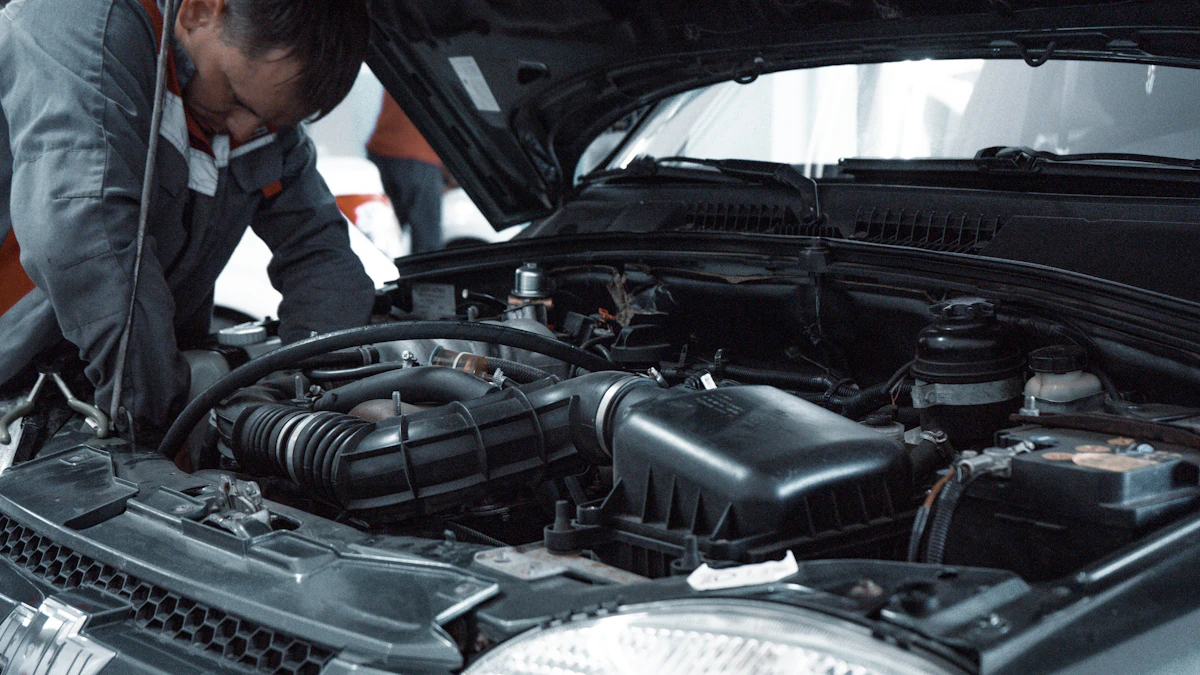
A failing oxygen sensor can affect fuel economy, emissions output, and engine performance. It is one of the most common reasons a check engine light appears.
3. Spark Plugs or Ignition Coil Issues
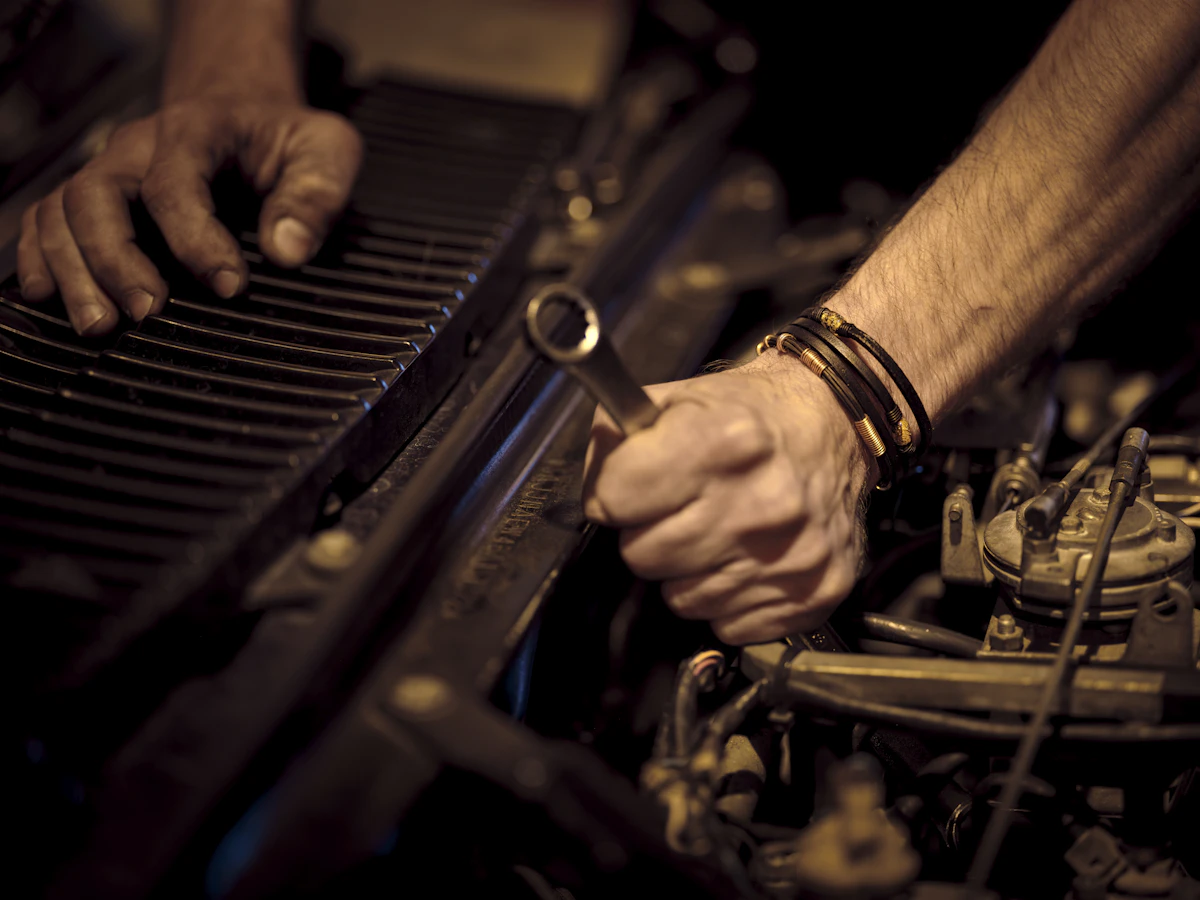
If your engine is shaking, misfiring, or idling rough, worn spark plugs or failing ignition coils may be the cause. These issues can also trigger a flashing check engine light.
4. Mass Air Flow Sensor Issues

The mass air flow sensor helps your engine calculate the proper air-fuel mixture. When it starts to fail, you may notice poor acceleration, stalling, hesitation, or reduced fuel efficiency.
5. Catalytic Converter Problems

A damaged catalytic converter is one of the most expensive emissions-related repairs. Ignoring engine misfires or sensor issues for too long can lead to converter failure.
Can I Still Drive With the Check Engine Light On?
- Usually safe for a short distance: the light is solid and the vehicle feels normal
- Not safe to drive: the light is flashing, the engine is shaking, or you notice major power loss
Even if the vehicle seems to drive normally, delaying a repair can make the problem more expensive later.
What Should You Do First?
- Check for any dashboard messages
- Tighten the fuel cap if prompted
- Pay attention to symptoms like rough idle, hesitation, or shaking
- Get the trouble code scanned
- Fix the issue early before it leads to bigger repairs
Frequently Asked Questions
Can a check engine light go off by itself?
Yes, sometimes it can if the issue was temporary. However, the stored code may still remain in the system, so it is still a good idea to have the vehicle scanned.
Is a solid check engine light an emergency?
Not always, but it should not be ignored. A solid light often means the issue is less urgent, but continued driving can still make the problem worse.
What is the most common reason for a check engine light?
Common causes include oxygen sensor problems, ignition issues, EVAP leaks, mass air flow sensor failures, and catalytic converter problems.
Final Thoughts
A check engine light is your vehicle's way of telling you that something needs attention. Sometimes it is minor. Sometimes it is serious. Either way, diagnosing it early is the best way to avoid bigger repair bills.
A solid light means don't ignore it. A flashing light means stop driving and act immediately.
Shop Emissions Parts Shop Ignition Parts


